Regulation Comes Before Learning: Why Safety Is the Foundation for Every Child's Growth
Child Development, Safety, Regulation
Regulation Comes Before Learning: Why Safety Is the Foundation for Every Child's Growth
When we picture children learning, we often imagine books, classrooms, and milestones. Yet beneath every new skill lies something more fundamental: a child who feels safe and whose nervous system is regulated. Without this foundation, learning, connection, and true developmental growth simply cannot flourish.
Safety First: The Non‑Negotiable Foundation of Child Development
The importance of child safety goes far beyond locked doors and secure playgrounds. Safety is also felt. A child’s brain constantly scans for danger. When their environment feels unpredictable, loud, shaming, or chaotic, the nervous system moves into survival mode. In that state, the brain prioritizes protection, not learning. Concentration, memory, and curiosity take a back seat to vigilance and defense. Creating a consistently safe, predictable, and respectful environment is therefore the first step in any meaningful developmental support plan.
Nervous System Regulation: Why Calm Bodies Learn Best
Nervous system regulation describes a child’s ability to move between states of alertness, calm, and activation in a flexible way. A regulated child can focus, recover from frustration, and engage socially. A dysregulated child may appear “defiant,” “shut down,” or “overly sensitive,” when in fact their body is signaling overwhelm. Supporting regulation means noticing these states and responding with tools that help the child return to a sense of safety: deep pressure, movement breaks, predictable routines, or simply a calm adult presence.
Primitive Reflex Integration: Building Stronger Neurological Foundations
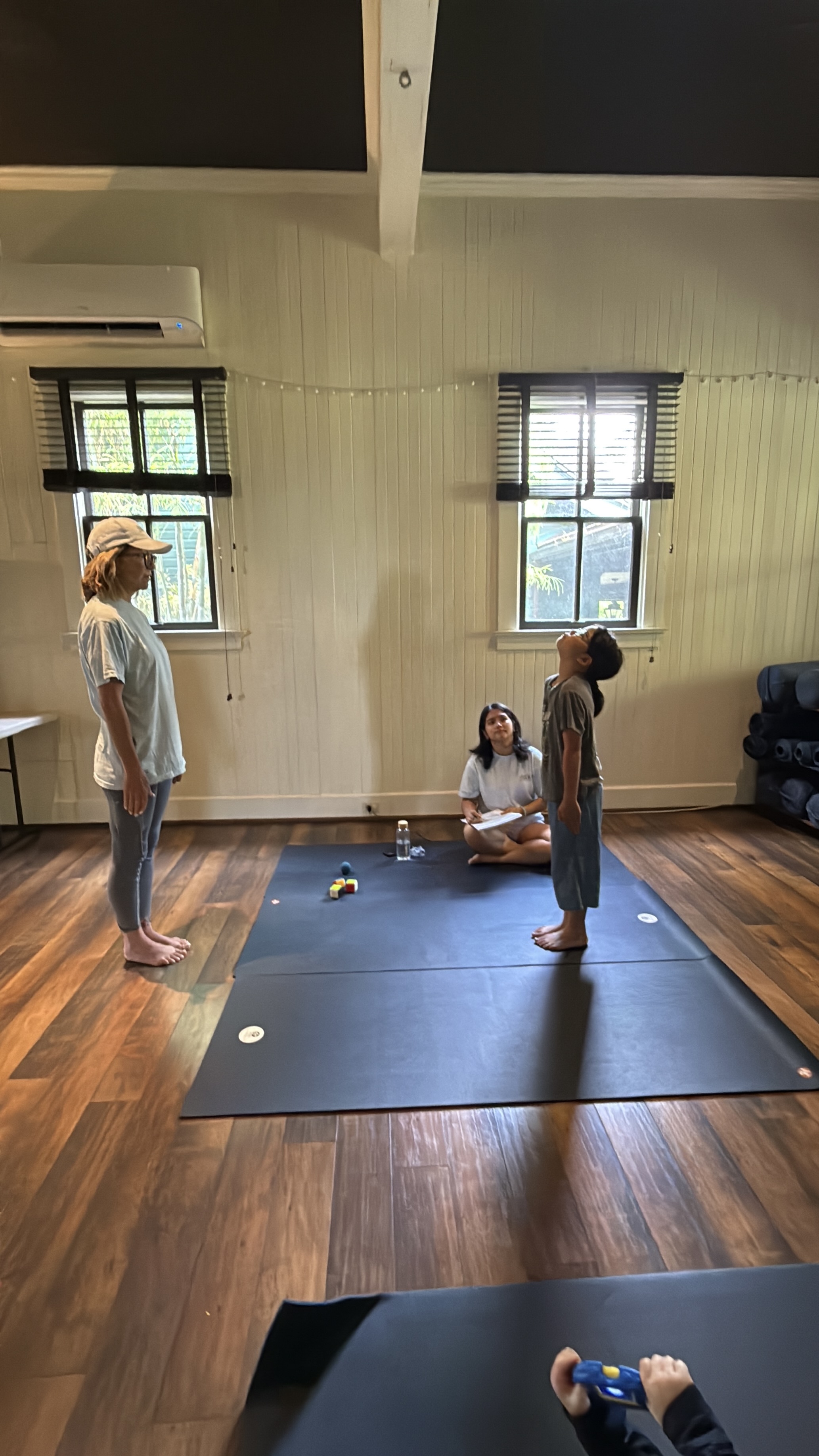
Early in life, babies are guided by primitive reflexes—automatic movements that support survival and early development. Over time, these reflexes should integrate, making way for more mature motor and cognitive skills. When reflexes remain active, children may struggle with balance, attention, handwriting, or emotional control. Primitive reflex integration work, often led by occupational or physical therapists, uses specific movements and play-based exercises to help the nervous system complete unfinished developmental steps. As integration improves, many children show noticeable gains in coordination, focus, and self-regulation.
Co‑Regulation: Borrowing Calm from a Safe Adult
Children do not learn to regulate in isolation. They learn it through co‑regulation—the process of borrowing calm from a regulated adult. A steady tone of voice, soft facial expressions, and grounded body language send powerful cues of safety to a child’s nervous system. Instead of, “Calm down right now,” co‑regulation sounds like, “I’m here. Let’s breathe together,” or, “Your feelings are big, and you’re not alone.” Over time, repeated experiences of co‑regulation wire the child’s brain for greater internal stability and resilience.

Consistent co‑regulation teaches children that big feelings can be met with safety, not shame.
Understanding Neurodevelopment: Seeing the Whole Child
When adults understand neurodevelopment—how the brain and nervous system grow over time—behaviour stops looking like a moral failure and starts looking like communication. A child who melts down during transitions may have immature neural networks for flexibility. A child who “zones out” in class may be in a shutdown state, not disinterested. Viewing behaviour through a neurodevelopmental lens encourages curiosity: What is this child’s nervous system telling us? This perspective opens the door to tailored supports instead of one‑size‑fits‑all expectations.
Supporting Children with Autism Through Regulation and Safety
For many children with autism, the world can feel intense: bright lights, unpredictable noises, rapid social demands. Prioritizing regulation means offering clear structure, visual supports, sensory accommodations, and time to transition between activities. When adults respect sensory needs and communication differences, the child’s nervous system can relax. Families and educators often report that once safety and regulation are in place, skills such as communication, social engagement, and problem‑solving begin to emerge more naturally and with less resistance.
Sensory Processing Differences: Meeting the Body Where It Is
Children with sensory processing differences may be hypersensitive (easily overwhelmed) or hyposensitive (seeking strong input). Loud assemblies, scratchy clothing, or crowded hallways can trigger distress that looks like “behaviour.” Regulation‑focused support might include noise‑reducing headphones, access to a quiet corner, fidgets, or movement breaks. When sensory needs are honored rather than dismissed, children can stay present enough to participate, connect, and learn without their bodies constantly fighting discomfort.
Emotional Regulation Challenges: From Outbursts to Skills Building
Many children struggle with emotional regulation challenges—intense anger, sudden tears, or rapid mood shifts. Instead of focusing solely on consequences, a regulation‑first approach asks: What skills are missing, and what support does this child need to feel safe? Teaching emotional vocabulary, practicing breathing techniques, using visual scales of emotion, and rehearsing coping strategies when the child is calm all build capacity. Over time, children learn not only to express their feelings but to navigate them with greater confidence.
Trauma‑Informed Care: Recognizing the Impact of Past Experiences
Trauma‑informed care acknowledges that past experiences—such as medical procedures, family conflict, loss, or neglect—can shape a child’s nervous system. A trauma‑informed lens avoids re‑traumatizing practices like public shaming, unpredictable punishment, or forced physical contact. Instead, it emphasizes choice, collaboration, and transparency: explaining what will happen next, asking for consent when appropriate, and offering safe alternatives. This approach rebuilds trust in adults and in the world, allowing the child’s body to gradually shift from constant defense to cautious openness and, eventually, to genuine engagement.
Practical Regulation Strategies That Help Children Thrive
Effective regulation strategies are simple, consistent, and responsive to each child’s nervous system. They might include:
Predictable routines and visual schedules to reduce uncertainty.
Sensory tools such as weighted items, chewing aids, or textured objects.
Movement opportunities—stretching, jumping, walking—to discharge excess energy.
Quiet, low‑stimulus spaces for recovery after overwhelm.
Calm, validating language that names and normalizes feelings.
When these strategies are woven into daily life rather than used only in crisis, children internalize them as tools they can draw on independently over time.
Creating Safe Environments for Developmental Support and Blooming
A truly supportive environment is designed with regulation in mind from the start. Lighting, noise levels, seating options, and transitions are all considered through the lens of nervous system safety. Adults collaborate across home, school, and therapeutic settings to ensure consistency. In such spaces, children are not pressured to “keep up” at all costs. Instead, they are invited to grow at a pace that respects their unique neurodevelopmental profile. This is how developmental support becomes more than a service—it becomes a way of being with children that protects their dignity and potential.
Stories of Child Blooming When Regulation Comes First
Consider a child who once hid under tables during group time, overwhelmed by noise and touch. With sensory accommodations, co‑regulation from a trusted adult, and a quiet space to retreat when needed, that same child gradually began sitting at the circle’s edge, then participating in songs, and eventually volunteering to lead. Nothing about their intelligence changed; what changed was their sense of safety. This is child blooming: when a regulated nervous system finally has enough space to show what has been there all along—curiosity, creativity, and connection.
Regulation Before Learning: A Guiding Principle for Every Adult
When we embrace the principle that regulation comes before learning, our priorities shift. Instead of asking, “How do I make this child comply?” we ask, “How do I help this child feel safe enough to grow?” By centering child safety, nervous system regulation, primitive reflex integration, co‑regulation, neurodevelopmental understanding, and trauma‑informed care, we create conditions where all children—including those with autism, sensory processing differences, and emotional regulation challenges—can truly thrive. In those conditions, learning is no longer forced; it becomes the natural outcome of a nervous system that finally feels safe enough to bloom.


