Natural Pediatric Neurology Treatments
Pediatrics, Neurology, Natural Therapies
Pediatric Neurological Disorders Treatment: Gentle, Natural Paths to Lifelong Development
Parents are increasingly seeking safe, non-invasive treatments that support natural healing and long-term development for children with neurological challenges. This integrative approach focuses on understanding the nervous system, nurturing the whole child, and reducing reliance on medication where possible.
Non-Invasive, Research-Backed Therapies That Support Natural Healing
Modern pediatric neurological care increasingly emphasizes non-invasive, research-backed therapies that work with the body rather than against it. Instead of masking symptoms, these approaches aim to support the brain’s remarkable capacity to adapt, reorganize, and grow through a process called neuroplasticity. Gentle interventions can help strengthen pathways involved in movement, attention, language, and emotional regulation, while minimizing side effects and supporting overall health.
Why Early Intervention Matters So Much
The early years of life are a period of rapid brain growth. During this time, the nervous system is especially responsive to positive input. Early intervention can significantly influence how a child’s brain develops, often improving long-term outcomes in learning, behavior, and independence. When neurological concerns are addressed early—whether delays in motor skills, speech, attention, or sensory processing—children have more time to build the foundations they need for future success at home, in school, and in social settings.
A Holistic Approach: Working With the Whole Child
Effective pediatric neurological treatment rarely relies on a single therapy. Instead, a holistic, team-based approach considers how movement, posture, language, behavior, and nutrition all interact within the nervous system. Common components include:
Chiropractic care: Gentle, pediatric-focused techniques that aim to improve spinal alignment and nervous system communication, potentially easing tension, improving posture, and supporting sensory processing and self-regulation.
Occupational therapy (OT): Helps children develop everyday skills such as dressing, handwriting, play, and sensory regulation, often using play-based activities to build fine motor control and independence.
Physical therapy (PT): Focuses on strength, balance, coordination, and mobility, supporting gross motor milestones like sitting, walking, running, and jumping in a safe, structured way.
Speech and language therapy: Addresses speech clarity, understanding, social communication, and feeding challenges, helping children express themselves and connect more easily with others.
Behavioral therapies: Evidence-based strategies, such as behavioral coaching and parent training, that support positive behaviors, emotional regulation, and coping skills in daily life.
Nutritional support: Guidance on balanced, brain-supportive nutrition, addressing possible food sensitivities, blood sugar balance, and gut health, all of which can influence mood, attention, and energy.
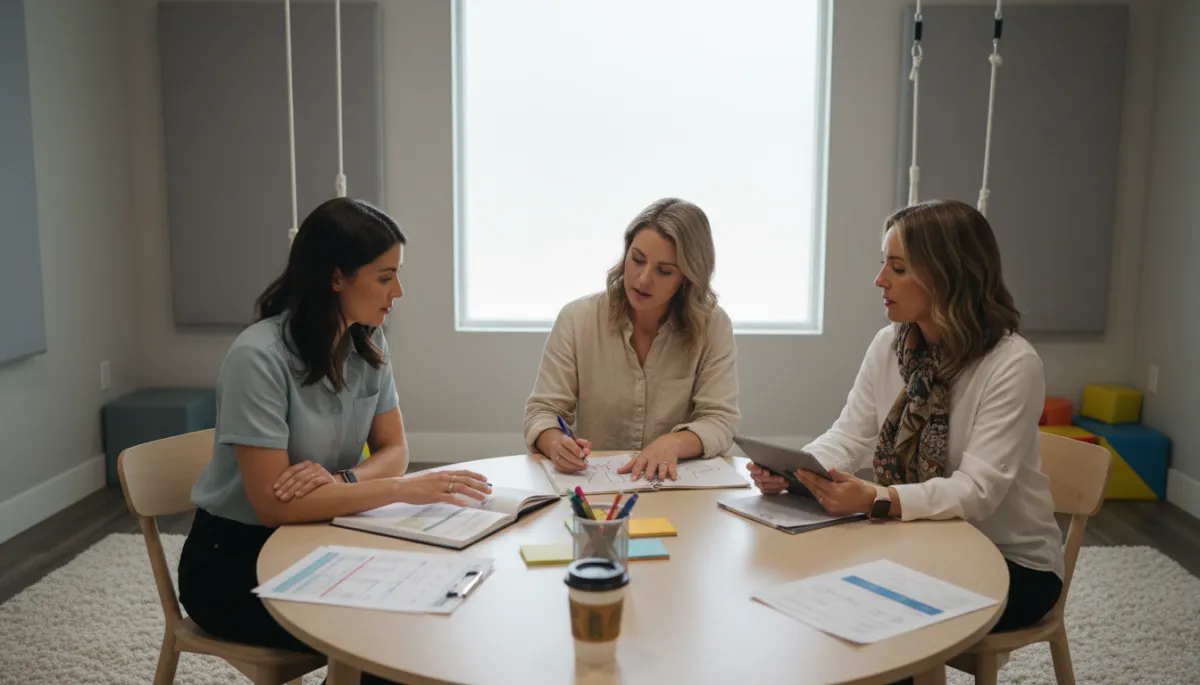
Coordinated, integrative care helps each therapy reinforce the others for better outcomes.
Key Benefits: Supporting Natural Brain Development and Daily Function
When thoughtfully combined, these therapies can offer meaningful benefits for children with neurological disorders and developmental differences. Families often notice improvements such as:
Enhanced natural brain development: Repeated, targeted activities help strengthen neural connections involved in movement, speech, attention, and learning.
Improved focus and behavior: Better sensory processing, posture, and movement control can make it easier for children to sit, attend, and participate at school and home.
Stronger emotional regulation: As the nervous system becomes more balanced, many children experience fewer meltdowns, smoother transitions, and improved sleep.
Reduced reliance on medication when appropriate: While medication can be helpful and necessary for some children, a robust natural treatment plan may allow for lower doses or fewer prescriptions, always in collaboration with the child’s prescribing provider.
Why More Families Are Choosing Natural Treatment Options
Many caregivers are drawn to natural, non-invasive treatment options because they align with their values of supporting the whole child—body, mind, and emotions. Families often seek approaches that:
Prioritize safety and minimal side effects.
Address root causes rather than only managing symptoms.
Encourage active participation from parents and caregivers in daily routines.
Fit into a broader lifestyle focused on movement, nutrition, and emotional well-being.
For many, natural therapies provide a sense of partnership and empowerment. Rather than feeling limited to a single solution, parents can be part of a collaborative team that adapts care as their child grows and changes.
What to Expect During the Treatment Process
While every clinic and provider is different, families can generally expect a structured, step-by-step process:
Comprehensive evaluation: This may include developmental history, movement and posture assessments, sensory and behavioral questionnaires, and, when appropriate, standardized testing. The goal is to understand how the child’s nervous system is functioning today.
Personalized care plan: Providers work together to outline which therapies are recommended, how often sessions will occur, and which activities can be continued at home between visits.
Ongoing, play-based sessions: Most pediatric therapies are designed to feel like play. Children may climb, draw, listen to stories, practice balance, or role-play social situations, all while working toward specific neurological goals.
Regular progress reviews: The team monitors changes in skills, behavior, and comfort levels over time, adjusting the plan as the child grows and new needs emerge.
📌 Key Takeaway: Neurological change is gradual and cumulative. Consistency, patience, and collaboration between therapists, medical providers, and families are essential for lasting results.
The Nervous System: The Foundation of Child Development
At the center of every pediatric neurological treatment plan is a deep respect for the nervous system’s role in development. The brain, spinal cord, and nerves coordinate everything from muscle tone and balance to attention, language, and emotional responses. When communication within this system is disrupted—by birth stress, injury, genetic factors, or environmental influences—children may show signs such as delayed milestones, sensory sensitivities, attention difficulties, or learning challenges.
Non-invasive therapies aim to restore smoother, more efficient communication within the nervous system. By improving how the body senses, processes, and responds to the world, children can build stronger foundations for every other area of growth.
Personalized, Integrative Care: Helping Children Reach Their Full Potential
No two children share the exact same strengths, challenges, or goals. Personalized, integrative care recognizes this by tailoring treatment plans to each child’s unique nervous system profile, family priorities, and daily routines. Chiropractors, occupational therapists, physical therapists, speech therapists, behavioral specialists, and nutrition professionals can coordinate their efforts so that every session, exercise, and home strategy moves in the same direction.
Over time, this coordinated approach can help children communicate more clearly, move more confidently, manage emotions more effectively, and participate more fully in school, friendships, and family life. While no treatment can promise specific results, a thoughtful, natural, and integrative plan offers children the opportunity to move closer to their full potential—one gentle, consistent step at a time.


