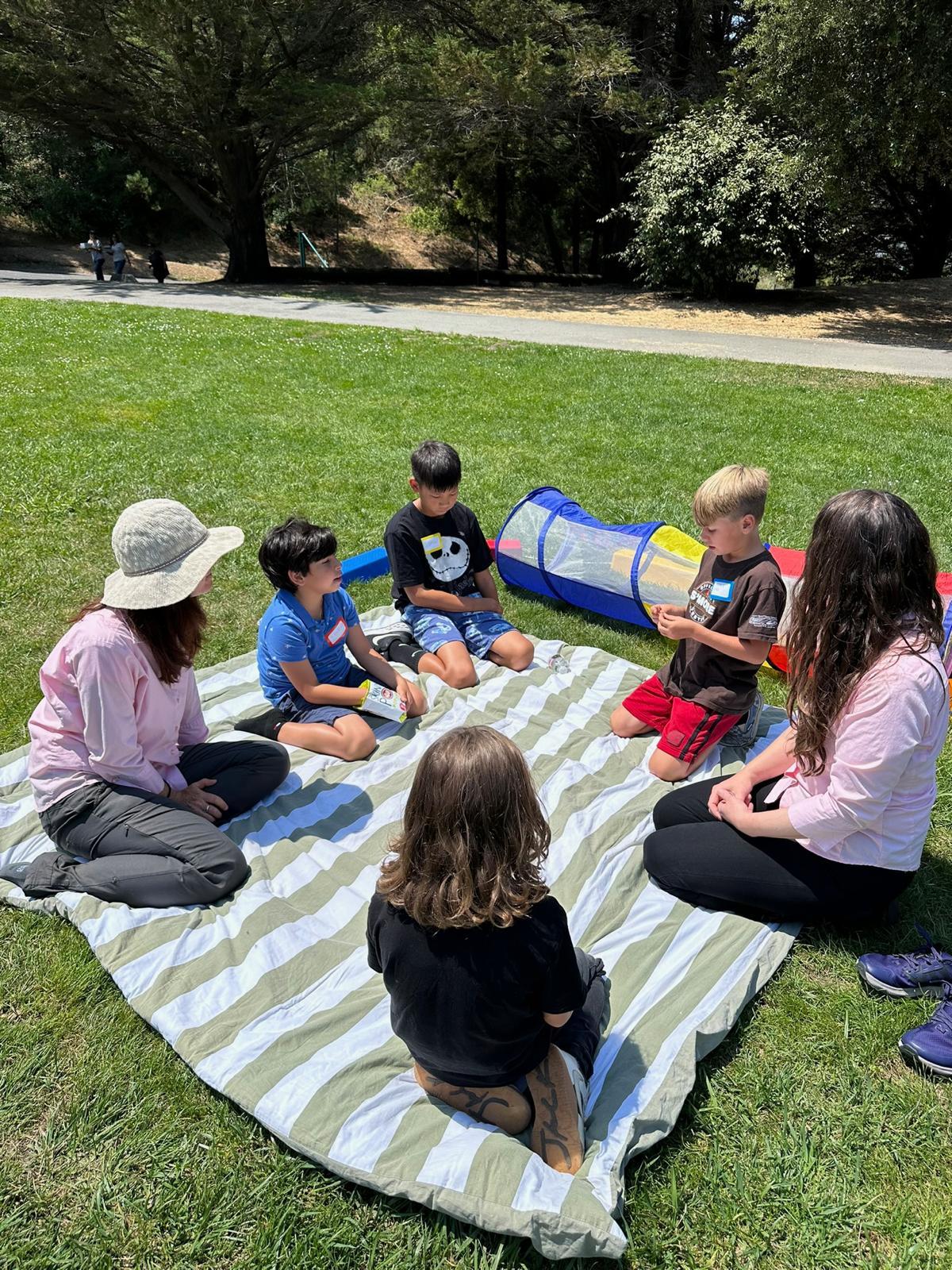
Kids Wellness Retreats: Boost Focus & Confidence
Parents, Parenting, Kids Wellness Retreats, Nature Retreats For Kids
How Retreats Help Kids Improve Focus, Confidence, and Well-Being
Parents are increasingly seeking holistic, structured ways to support their children’s focus, confidence, and emotional well-being. Carefully designed kids wellness retreats and family wellness programs create safe, nurturing spaces where children can reset, connect with nature, and build lifelong skills for emotional regulation and self-awareness.
The Unique Benefits of Kids Wellness Retreats for Families
Kids wellness retreats are more than a short break from daily life. When thoughtfully designed, they bring together movement, mindfulness, play, and neurodevelopment-informed practices in a structured program tailored to individual children. For parents, these retreats offer help for children with emotional regulation, support with the root cause of behavior, and tools to respond more calmly to child meltdowns and nervous system dysregulation in children at home.
Many retreats also invite parents into selected sessions, creating family wellness programs that strengthen connection, communication, and shared language around feelings, needs, and boundaries. This integrated approach supports sustainable change long after the retreat ends.
How Retreats Help Improve Focus in Children
Many parents look for ways to improve focus in children, especially when attention challenges, school stress, or ADHD emotional regulation are part of daily life. In a retreat setting, distractions are intentionally reduced. Children experience predictable routines, gentle transitions, and guided activities that train the brain to attend, pause, and choose a response rather than react impulsively.
Short, age-appropriate mindfulness practices help kids notice their breath, body, and surroundings, strengthening attention “muscles.”
Movement sessions and sensory play support neurodevelopment, making it easier for the nervous system to settle and focus.
Structured quiet times show children what it feels like to be calm and engaged without screens or constant stimulation.
Over a few days, these practices create new reference points in the brain and body, giving children tools they can carry back into school and home environments to maintain focus and self-control.
Boosting Confidence and Self-Belief in Kids
A core benefit of kids wellness retreats is the opportunity to boost confidence in kids in a safe, non-judgmental setting. Many children arrive feeling overwhelmed, “too sensitive,” or worried about not fitting in. Through small-group experiences and individual attention, they are invited to discover what they are good at and what makes them unique.
Gentle challenges—such as a short hike, group game, or creative project—are designed to be achievable, helping children experience success and mastery.
Facilitators reflect back strengths, effort, and courage, not just outcomes, reshaping how children view themselves.
Peer connection in a supportive environment shows kids they are not alone in their worries or big feelings.
Over time, this combination of encouragement, success experiences, and belonging helps children internalize a more resilient sense of self-worth and confidence in handling everyday challenges.
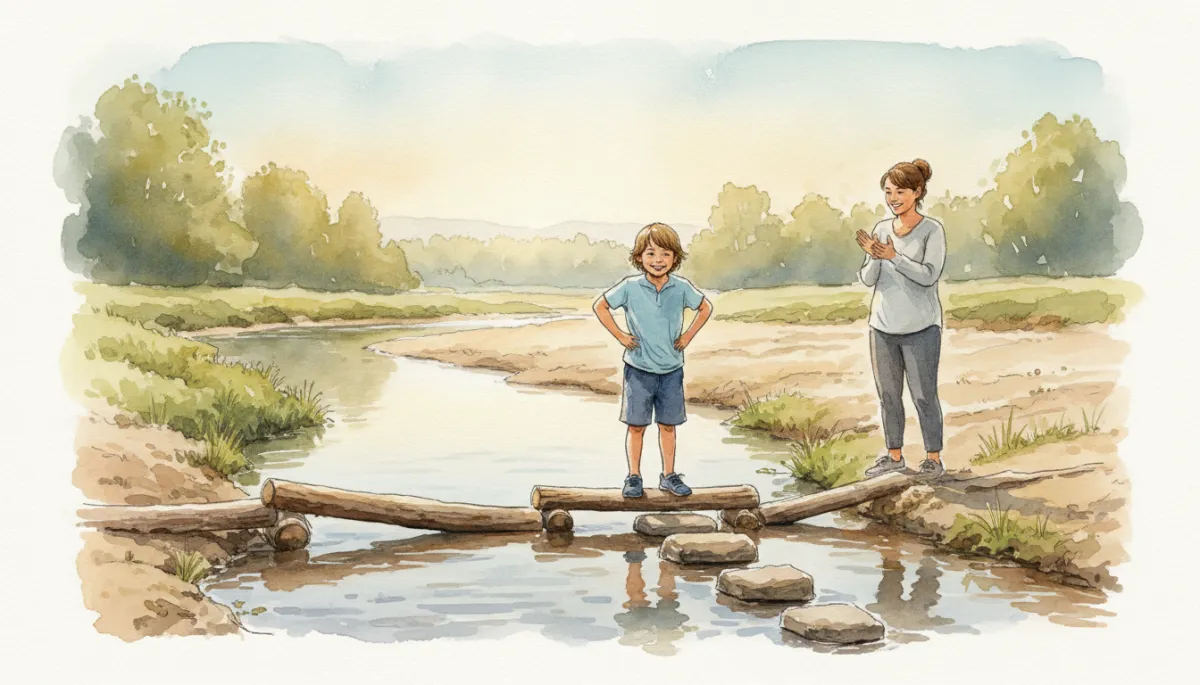
Small, achievable challenges build genuine confidence and a sense of capability in children.
Nurturing Emotional Well-Being and Regulation
Emotional well-being in children is closely tied to the health of their nervous system. Many modern kids live in a state of near-constant alert—rushing between school, activities, and screens. This can lead to nervous system dysregulation in children, frequent meltdowns, and difficulty settling to sleep or transitioning between tasks.
At a retreat, children learn practical strategies for help with emotional regulation, including naming feelings, using breath and movement to release tension, and asking for support before overwhelm turns into a meltdown. Facilitators often draw on current understanding of neurodevelopment to explain, in child-friendly language, that big feelings are not “bad behavior” but signals from the body and brain that need care and regulation.
📌 Key Takeaway: When retreats address the root cause of behavior—an overworked nervous system—children gain tools to manage emotions, rather than simply being told to “calm down.”
The Powerful Role of Nature in Kids’ Healing and Growth
High-quality nature retreats for kids intentionally use the outdoors as a co-facilitator. Time in natural settings has been shown to reduce stress hormones, support attention, and improve mood—key elements of emotional well-being in children. Walking barefoot on grass, listening to birds, or watching leaves move in the breeze all send calming signals to the nervous system.
Nature provides rich sensory input—sights, sounds, textures—that gently organizes the brain and supports regulation.
Outdoor play encourages creativity and problem-solving, reinforcing confidence and flexible thinking.
Being away from screens and artificial noise helps children reconnect with their own rhythms and needs.
Supporting Children’s Development Through Holistic, Structured Programs
For retreats to truly support children’s development, structure and intentionality are essential. The most effective programs weave together movement, rest, creative expression, social connection, and quiet reflection in a predictable daily rhythm. This structure helps children feel safe, which is the foundation for learning and growth.
When facilitators understand neurodevelopment and the diverse ways children process the world, they can adapt activities for different ages, sensitivities, and attention profiles, including kids who experience ADHD emotional regulation challenges. Individual check-ins, small group sizes, and clear transitions all contribute to a setting where each child can be seen, heard, and supported at their own pace.
What Parents Can Look For in a Kids Wellness Retreat
For parents exploring options, it is helpful to look for kids wellness retreats that:
Offer a clearly described, holistic, and structured program rather than a loosely planned schedule.
Integrate nature-based experiences, sensory-friendly spaces, and quiet zones for rest and regulation.
Include education and resources for parents so that new skills can be reinforced at home.
Are staffed by professionals with experience in child development, emotional well-being, and nervous system support.
When these elements come together, retreats can become pivotal experiences that help children improve focus, grow in confidence, and develop the emotional skills they need to thrive—while giving parents practical tools and renewed hope for the journey of parenting.


