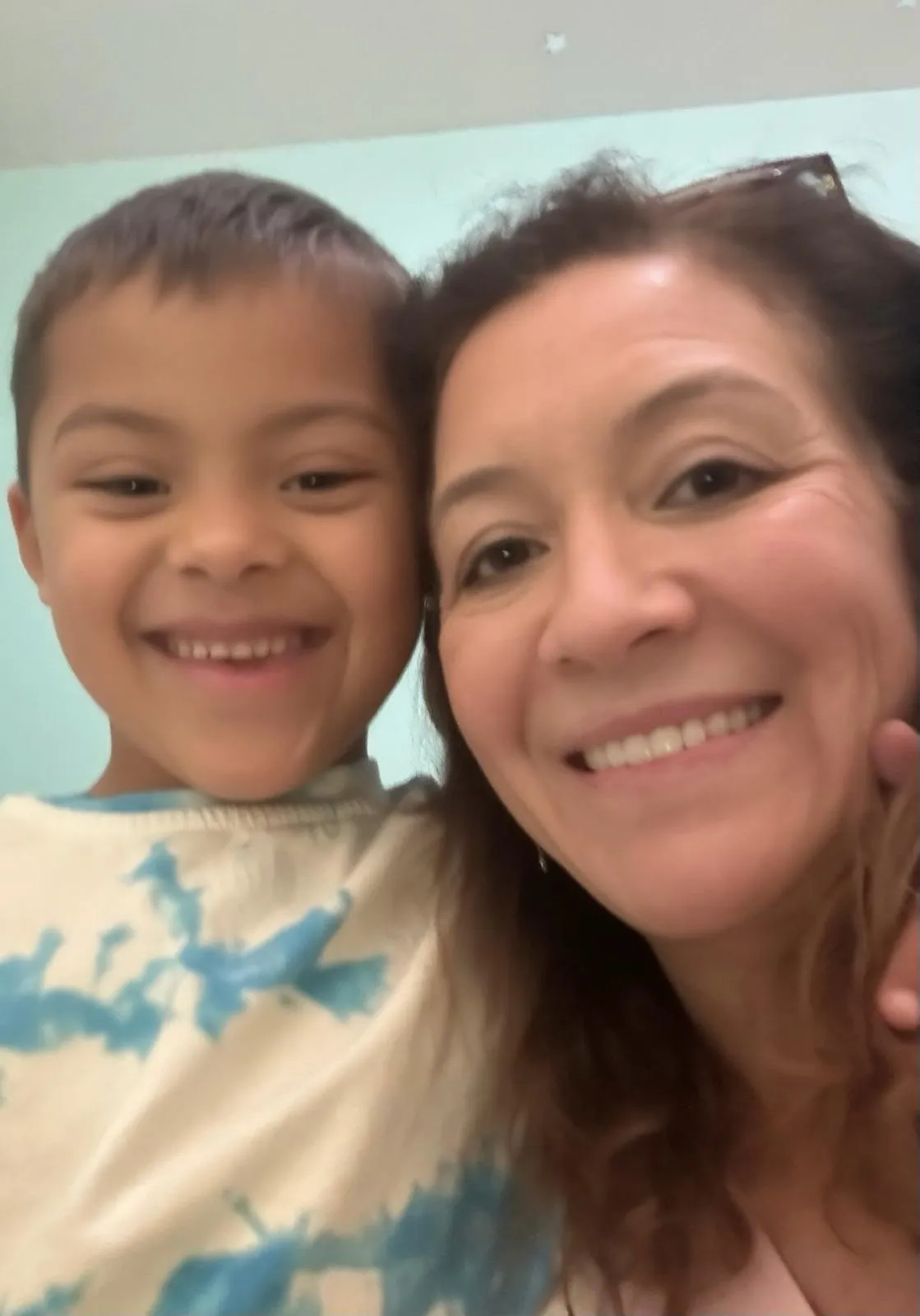
The BLOOM Method: Holistic Child Development
Nervous System Regulation, Neurodivergent Child Support, Holistic Child Development
The BLOOM Method: A Whole-Brain, Whole-Body, Whole-Family Approach to Healing
The BLOOM Method is an innovative framework designed to help children move from surviving to thriving by addressing the root causes of dysregulation. Integrating neuroscience, targeted clinical techniques, and intentional family support, this whole-brain, whole-body, whole-family approach focuses on healing the nervous system so children can experience deeper calm, connection, and capacity to learn and grow.
Why Nervous System Regulation for Children Matters
At the heart of the BLOOM Method is a simple but powerful truth: behavior is communication from the nervous system. When a child is constantly melting down, shutting down, or bouncing between the two, it is rarely about willpower or “bad behavior.” It is usually about a nervous system that feels unsafe, overwhelmed, or stuck in survival mode. Effective nervous system regulation for children must therefore move beyond surface-level behavior management and address the deeper neurobiological patterns driving emotional and behavioral responses.
Neuroscience has shown that a child’s developing brain is highly sensitive to stress, sensory input, and relational environments. When the nervous system is dysregulated, it can affect neurodevelopment, learning, sleep, digestion, immune function, and emotional resilience. This is especially true for children who are neurodivergent, including those with ADHD and autism, or those with sensory processing differences. For these children, child nervous system regulation is not optional; it is foundational to their ability to participate in school, relationships, and daily life.
An Integrated Framework: Neuroscience, Clinical Techniques, and Family Support
The BLOOM Method brings together three critical elements that are often treated separately: neuroscience-informed understanding, evidence-aligned clinical tools, and . Rather than focusing only on behavior charts, talk therapy, or medication, BLOOM looks at how the brain, body, and environment work together in real time. This integrated view is what allows the approach to create meaningful change for families seeking neurodivergent child support, ADHD parent support, sensory processing support, and autism parent support.
By weaving together neuroscience and practical strategies, The BLOOM Method helps parents understand why their child behaves the way they do, and what is actually needed to support emotional regulation for kids. This shift—from “What’s wrong with my child?” to “What is my child’s nervous system trying to tell us?”—is often the turning point in transforming daily struggles into opportunities for healing and connection.
The Five Pillars of the BLOOM Method
The BLOOM Method is built on five synergistic pillars. Each pillar targets a different aspect of the child’s nervous system and environment, and together they create a comprehensive pathway for healing the nervous system and supporting holistic child development. The five pillars are:
Brain + Body Connection
Laser Light Therapy
Optimize the Gut
Organize the Brain
Mentor the Family
Pillar 1: Brain + Body Connection
The first pillar, Brain + Body Connection, recognizes that the brain does not operate in isolation. The way a child breathes, moves, sleeps, and senses the world sends constant feedback to their brain. When this feedback is chaotic or overwhelming, the nervous system can become stuck in fight, flight, or freeze. BLOOM uses neuroscience-informed movement, breath, and sensory strategies to help restore balance between the body and brain, creating a safer internal environment for child nervous system regulation.
In practice, this might include rhythmic movement to calm an overactive stress response, targeted deep pressure input for children needing sensory processing support, or breathing exercises that stimulate the vagus nerve and support emotional regulation for kids. These techniques are not random “calming tools”; they are carefully chosen based on how the child’s unique nervous system is wired and how their body is currently communicating with the brain.
Pillar 2: Laser Light Therapy
The second pillar, Laser Light Therapy, introduces a gentle, non-invasive clinical tool that supports cellular health and neuroregulation. Low-level laser or photobiomodulation therapy has been studied for its potential to improve circulation, reduce inflammation, and support mitochondrial function—key elements in how well the brain and body can heal and adapt. Within the BLOOM framework, laser light therapy is used strategically to complement other interventions aimed at healing the nervous system.
When a child’s brain is under chronic stress, the energetic demands on their system increase. Laser light therapy can be one way to support the underlying biology so that other strategies—like movement, sensory work, or cognitive training—are more effective. It is not a stand-alone “fix,” but part of a broader, neuroscience-aligned approach to helping children move from constant survival to greater stability and flexibility in their nervous system responses.
Pillar 3: Optimize the Gut
The third pillar, Optimize the Gut, focuses on the powerful relationship between the gut and the brain. The gut-brain axis is now widely recognized in neuroscience and functional medicine as a key player in mood, attention, and stress responses. Many parents seeking behavior support for neurodivergent children are surprised to learn that constipation, chronic tummy aches, or picky eating can be deeply connected to their child’s emotional and behavioral challenges.
Within the BLOOM Method, optimizing the gut may include assessing digestion, supporting balanced nutrition, and considering how food sensitivities or microbiome imbalances might be contributing to dysregulation. When the gut is inflamed or out of balance, the brain often receives “danger” signals, making it harder for children to stay calm, focused, or flexible. By improving gut health, we support more stable nervous system regulation for children, which often translates into better sleep, more consistent energy, and fewer explosive behaviors.

Understanding the gut–brain connection often unlocks new pathways for behavior change.
Pillar 4: Organize the Brain
The fourth pillar, Organize the Brain, addresses how different regions of the brain communicate and coordinate. Children who struggle with attention, impulse control, transitions, or complex tasks often have underlying challenges in how their brain networks are organized and integrated. This is especially relevant for families seeking ADHD parent support or autism parent support, as these profiles commonly involve differences in connectivity, executive function, and sensory integration.
Organizing the brain within the BLOOM Method may involve targeted activities that strengthen cross-hemispheric communication, improve sequencing and timing, or enhance the integration of sensory information. These might include structured movement patterns, visual–motor tasks, or exercises that gradually challenge the child’s ability to plan, prioritize, and shift attention. The goal is not to “change who the child is,” but to support more efficient neural pathways so the child can access their strengths with less effort and overwhelm.
When the brain is better organized, families often notice improvements in focus, school participation, and the child’s ability to follow multi-step directions. Over time, this supports not only behavior but also confidence and self-esteem, key components of holistic child development.
Pillar 5: Mentor the Family
The fifth pillar, Mentor the Family, is where the BLOOM Method truly becomes a whole-family approach. Children do not heal in isolation; they heal within relationships. For this reason, BLOOM places a strong emphasis on equipping caregivers with the knowledge, tools, and emotional support they need to create a regulation-supportive home environment. This is where many families experience the deepest transformation, particularly those seeking sustainable neurodivergent child support and long-term behavior support for neurodivergent children.
Mentoring the family may include teaching parents how to co-regulate with their child, how to respond to dysregulation in ways that calm rather than escalate, and how to structure routines that support emotional regulation for kids. It also means acknowledging the very real stress that caregivers experience and offering ADHD parent support and autism parent support that honors their lived reality. When parents feel seen, informed, and empowered, they are better able to show up as steady anchors for their children’s nervous systems.
The Synergy Between the Pillars: More Than the Sum of Their Parts
Each pillar of the BLOOM Method is powerful on its own, but the true impact comes from their synergy. For example, when the gut is healthier, the brain receives fewer distress signals, making it easier for brain–body connection exercises to take root. When laser light therapy supports cellular resilience, the child may have more capacity to engage in brain-organizing activities. When parents are mentored and confident, they can reinforce all of these gains at home through consistent, regulation-supportive routines and responses.
This interconnected approach is what allows the BLOOM Method to support deep, lasting change rather than short-lived improvements. Instead of chasing symptoms—sleep issues one month, school behavior the next—the framework looks at the entire ecosystem of the child’s nervous system and relationships. As the pillars work together, families often report significant improvements in sleep quality, fewer intense meltdowns, better focus and follow-through, and a more peaceful, connected home environment.
From Surviving to Thriving: What Transformation Can Look Like
For many families, life before BLOOM feels like constant crisis management—reacting to outbursts, navigating school calls, and walking on eggshells at home. Children may struggle to fall asleep, wake frequently, or start the day already overwhelmed. Mornings are chaotic, transitions are explosive, and even joyful events can quickly spiral into dysregulation. Parents often describe feeling exhausted, guilty, and unsure how to truly help their child beyond the strategies they have already tried.
As the BLOOM pillars are implemented and tailored to the child, subtle shifts begin to appear: a child who once woke multiple times each night starts sleeping in longer stretches; a school day that used to end in tears now ends with a calm car ride home; a child who once could not tolerate certain sounds or textures begins to expand their sensory comfort zone. Over time, these shifts accumulate. Families report that healing the nervous system in this integrated way leads to:
More predictable and restorative sleep for both child and parents
Decreases in the frequency and intensity of meltdowns and shutdowns
Improved focus, follow-through, and readiness to learn at school and home
Greater flexibility with transitions, changes in routine, and social situations
Stronger parent–child connection and more moments of shared joy
These are not overnight changes, and they do not erase every challenge. However, by addressing the root causes of dysregulation through a whole-brain, whole-body, whole-family lens, the BLOOM Method supports a steady shift from constant survival toward a more regulated, resilient, and thriving family life.
A Holistic Pathway for Neurodivergent Children and Their Families
The BLOOM Method is particularly supportive for families raising neurodivergent children—those with ADHD, autism, or sensory processing differences—who often need more than traditional behavior plans or generic advice. By centering nervous system regulation for children and honoring the unique wiring of each child, BLOOM offers a compassionate and science-informed alternative to approaches that focus solely on compliance or symptom reduction.
For parents seeking neurodivergent child support, the framework provides a roadmap that makes sense of what they are seeing at home and school. For professionals collaborating with families, it offers a structured way to integrate neuroscience, clinical tools, and family mentorship into a cohesive plan. Above all, the BLOOM Method reflects a belief that every child deserves the chance to feel safe in their own body, connected in their relationships, and capable in their daily life—and that families deserve support that is as comprehensive and resilient as they are.
Bringing It All Together: Healing the Nervous System, Transforming Lives
When we view behavior through the lens of the nervous system, our priorities shift. Instead of asking children to try harder, we ask how we can help their brains and bodies feel safer, more organized, and better supported. The BLOOM Method translates this understanding into a practical, five-pillar framework that integrates neuroscience, targeted clinical techniques, and meaningful family support. By strengthening the brain–body connection, strategically using laser light therapy, optimizing gut health, organizing brain networks, and mentoring the family, BLOOM offers a comprehensive pathway for healing the nervous system and nurturing holistic child development.
For families who have felt stuck in cycles of dysregulation, this approach can be profoundly validating and hopeful. It acknowledges the complexity of raising neurodivergent children while offering clear, actionable steps toward more regulated days and more restful nights. Most importantly, it honors the truth that when a child’s nervous system begins to heal, entire families can be transformed—moving from surviving to truly thriving, together.


